

Wildlife is one of the world’s most underrated storytellers. Long before heroes arrive, the creatures of a region define its ecology, culture, and emotional tone. Their behaviors, habitats, and relationships create a living tapestry that reveals far more than a quest ever could. Through their presence alone, animals provide clues about climate, danger, history, and even ancient conflicts buried in the soil.
This article explores how wildlife shapes ecological storytelling, how creatures enrich worldbuilding, and why understanding them reveals hidden layers of meaning throughout the world.
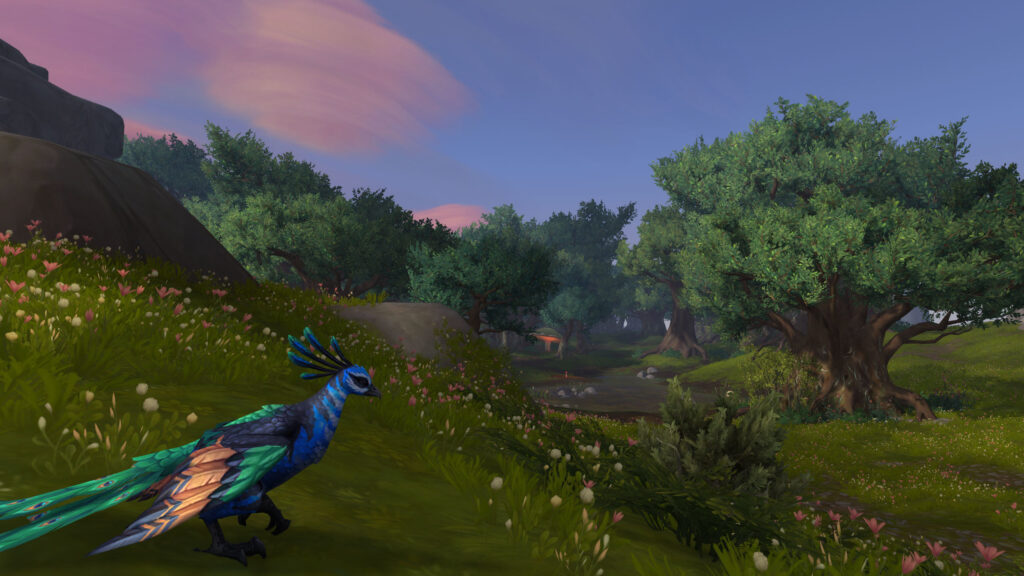
Creatures as Ecological Narrators
Every creature tells a story through its place in the environment. Predators reveal the balance of power in a region; gentle grazers indicate safety or abundance; corrupted beasts suggest ancient wounds or spreading danger. Wildlife reflects the natural rhythms of the world, acting as silent narrators that reveal the state of the land.
Nature becomes narrative through movement and presence.
Behavior That Writes Its Own Story
Many creatures interact with the world in ways that create micro-stories. Wolves gather near fallen hunters; birds circle over dangerous areas; critters scatter near conflict zones. These behaviors deepen immersion by showing how animals respond to danger, climate, or shifting territories. They create a sense of life that moves independently of player presence.
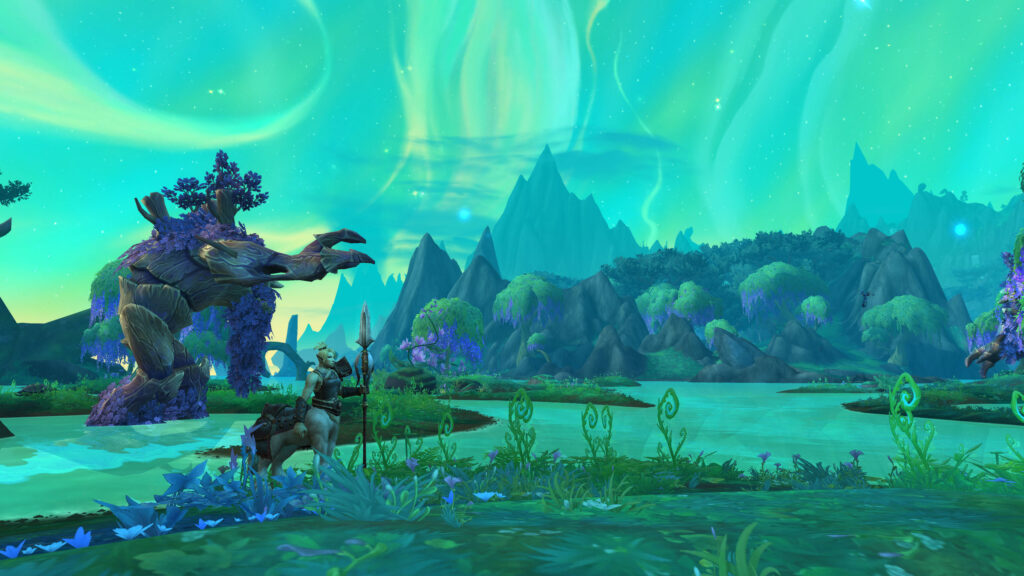
To illustrate how behavior enriches storytelling, here is a simple overview:
| Creature Behavior | Environmental Meaning | Narrative Implication |
|---|---|---|
| Fleeing animals | Disturbed habitat | Nearby threat or corruption |
| Predator gatherings | Unbalanced ecosystem | Scarcity or regional turmoil |
| Creatures resting peacefully | Stable environment | Safety and natural harmony |
| Corrupted wildlife | Tainted land | Ancient wounds or spreading plague |
| Unusual migrations | Seasonal or magical shifts | Changing climate or mystical influence |
Wildlife as Cultural Anchors
Many civilizations define themselves through their relationship with local fauna. The tauren’s reverence for plains creatures, the kaldorei’s spiritual bonds with forest guardians, and the tuskarr’s reliance on ocean life all demonstrate how culture and ecology intertwine. Wildlife reveals the values, fears, and traditions of each society. Their presence brings authenticity to cultural storytelling.
Culture grows from the land’s living heartbeat.
Environmental Wounds Reflected Through Animals
When regions suffer — through war, corruption, or natural disaster — the wildlife suffers first. Sick creatures wandering aimlessly, depleted herds, or predators encroaching on settlements signal deeper narrative wounds. Players often recognize environmental tragedy through animals long before encountering the main storyline. Wildlife becomes the emotional barometer of the world.

Animals reveal what the land cannot say aloud.
Why Wildlife Makes the World Feel Alive
Creatures create continuity between zones, eras, and expansions. Their presence reminds players that the world is not static — it grows, heals, and adapts. Wildlife enriches exploration by giving depth to every corner of the world. By simply existing, creatures turn landscapes into ecosystems, and ecosystems into stories.

Life tells the world’s quietest but most enduring stories.
Conclusion
Azeroth’s wildlife acts as a subtle but powerful storytelling force. Through behavior, ecology, and cultural meaning, creatures enrich worldbuilding and reveal hidden layers of narrative. They connect players to the land through quiet detail, proving that some of the most meaningful stories are told not through dialogue — but through life itself.
Home